Exploring the Playful Charm of the Wild Child Typeface
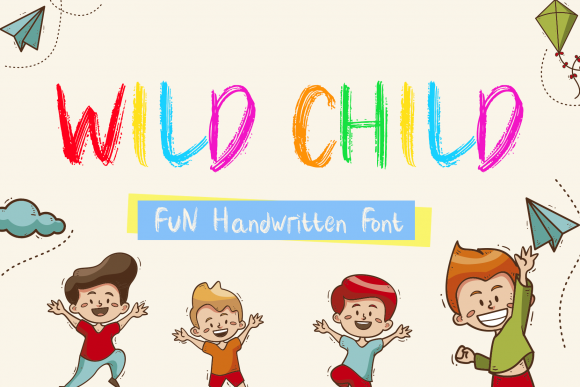
Every design has a personality, and sometimes you need a font that speaks with a youthful, energetic voice. Wild Child captures this spirit perfectly, offering a cute, simple, and fun display font that feels both authentic and approachable. It is a typeface designed to bring a sense of playfulness to creative work without sacrificing clarity or style.
A Font Built for Creativity and Joy
At its core, Wild Child is a display font that embodies a cheerful and approachable aesthetic. Its letterforms are crafted to feel friendly and inviting, making it an excellent choice for projects aimed at children, families, or any audience that appreciates a lighthearted touch. The font’s simplicity is its strength, ensuring that messages remain clear while still conveying a strong sense of character and warmth. This makes it a versatile asset in any designer's toolkit, especially when working on branding or packaging that needs to connect on an emotional level.
Where Wild Child Truly Shines
The practical applications for this creative font are extensive. It is particularly effective for projects where a sense of fun and authenticity is paramount. Consider using it for:
- Children’s Activity Materials: Worksheets, coloring books, and educational games become more engaging.
- School Project Designs: Posters, presentations, and event flyers gain a professional yet playful look.
- Brand Identity for Kid-Focused Businesses: Logos, menus, and signage for daycares, toy stores, or pediatric clinics.
- Packaging Design: Labels and boxes for snacks, toys, or children’s apparel.
- Social Media Graphics: Eye-catching posts and stories for family-oriented blogs or brands.
- Invitations & Merchandise: Birthday party invites, custom t-shirts, and tote bags.
Its suitability for these areas stems from its inherent ability to communicate joy and approachability, key elements in successful design for these markets.
Design Flexibility and Practical Pairing
While Wild Child is a standout display font, its effectiveness is enhanced when used thoughtfully. For optimal readability, it is best used for headlines, titles, and short bursts of text rather than lengthy paragraphs. This ensures its unique personality shines without overwhelming the viewer.
Creating a strong visual hierarchy is simple. Pair it with a clean, neutral sans serif font for body copy. A combination like Wild Child for headings and a font like Lato or Open Sans for descriptions creates a balanced and professional layout. This font pairing strategy allows the playful elements to command attention while maintaining overall design consistency and polish.
Considering Licensing and Commercial Use
When incorporating any premium font into a project, especially for commercial purposes, understanding the license is crucial. Wild Child, like other quality design assets, comes with specific terms that outline permitted uses. Whether you are creating a client logo, merchandise for sale, or digital products, verifying that the license covers your intended application is a responsible step. This practice protects your work and ensures you are using the typeface ethically and legally, which is fundamental to maintaining a professional standard in your design projects.
Making a Lasting Impression with Typography
A font choice does more than display words; it shapes perception. Selecting a typeface like Wild Child signals that a brand or project values creativity, approachability, and a modern, friendly aesthetic. In a crowded visual landscape, the right typography helps a design feel cohesive and intentional, building trust and recognition with the audience. It’s a subtle yet powerful tool for defining brand identity and ensuring your message is not just read, but felt.
Choosing a well-crafted font is an investment in the quality and impact of your work. By offering a distinct personality that is both fun and functional, Wild Child provides a reliable solution for designers and creators looking to add a touch of authentic playfulness to their projects. It proves that sometimes, the most effective design choices are the ones that make people smile.